Deciphering How Competitor Tiers Influence Tactical Pivots in Unified Digital Gambling Ecosystems
Written by Taylor Beck · Sep 26, 2026
Deciphering How Competitor Tiers Influence Tactical Pivots in Unified Digital Gambling Ecosystems
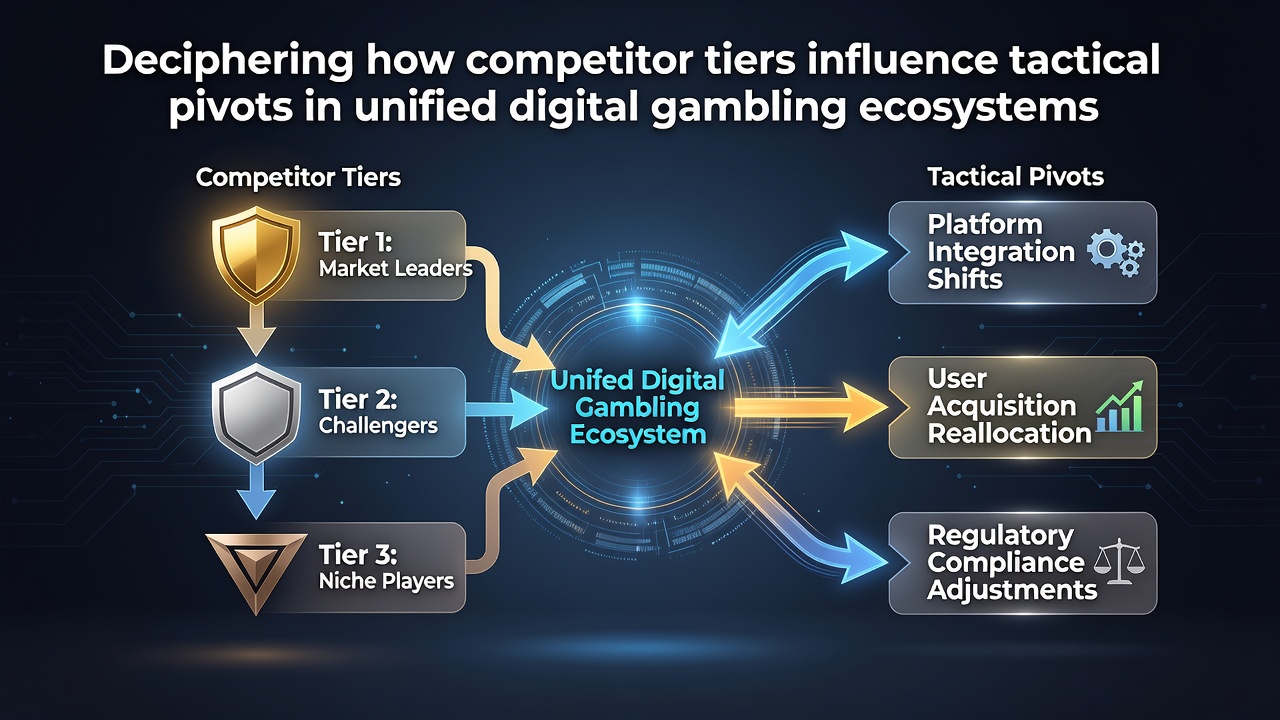
Competitor tiers in unified digital gambling ecosystems function as structured classifications derived from player activity volume, deposit frequency, and cross-game participation rates, and these categories directly shape the tactical pivots that participants execute when moving between slots, table games, and live dealer formats on integrated platforms. Observers note that lower-tier competitors often prioritize volume-based strategies focused on bonus accumulation while higher-tier players shift toward calculated risk adjustments based on real-time performance data.
Defining Competitor Tiers Within Integrated Platforms
Unified digital gambling ecosystems combine multiple game verticals into single account interfaces, and competitor tiers emerge from algorithmic evaluations of lifetime value metrics collected across those verticals. Data from the New Jersey Division of Gaming Enforcement indicates that tier assignments update monthly based on aggregated wagering activity, and players who maintain consistent engagement across both reel and card products receive elevated status that unlocks specialized payout structures and promotional calendars. Those who've studied platform operations know that bronze and silver tiers typically receive standard bonus triggers, whereas gold and platinum tiers gain access to adaptive reward timing that responds to individual migration patterns between game types.
How Tiers Drive Tactical Adjustments
Tactical pivots occur when competitors alter bet sizing, game selection sequences, or session duration in response to tier-specific incentives, and researchers discovered that these shifts correlate strongly with platform data trails tracking transition points between slot sessions and table game entries. Studies from the University of Nevada, Las Vegas Center for Gaming Research show that mid-tier competitors execute the highest frequency of cross-product pivots during promotional windows, while top-tier accounts demonstrate more measured transitions that align with volatility thresholds in each game category. And because unified platforms log every switch in real time, operators can refine tier benefits to encourage sustained movement across formats rather than isolated play in single verticals.
September 2026 Platform Updates and Tier Effects
September 2026 brought several regulatory adjustments in multiple jurisdictions that affected how tiers influence player movement inside unified ecosystems, and these changes included revised reporting requirements for cross-platform activity that forced operators to recalibrate reward delivery timing. Figures reveal that platforms incorporating these updates saw measurable increases in tier-driven pivots, particularly among competitors moving from high-volatility slots into lower-variance table games when monthly tier reviews approached. Observers note that the timing of these regulatory shifts coincided with broader adoption of unified account systems, creating clearer visibility into how tier status alters strategic decision-making across digital environments.
Case Patterns Across Tier Levels
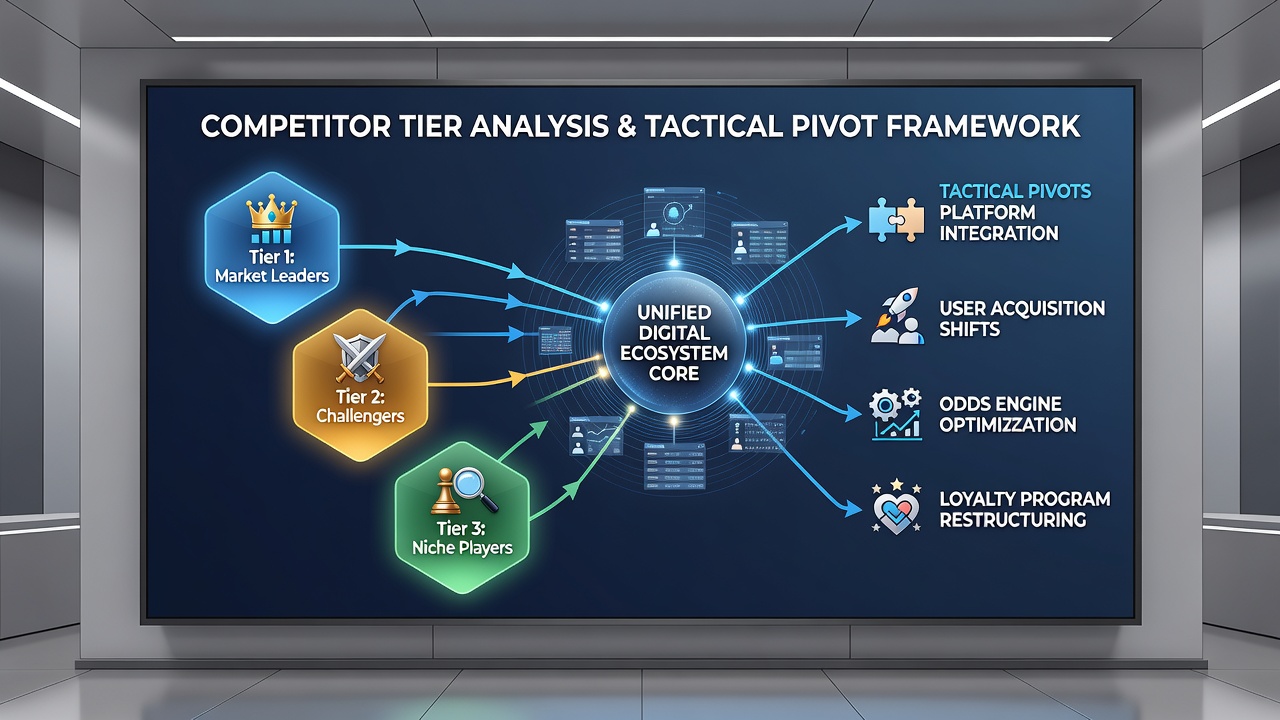
Take one documented pattern where silver-tier competitors responded to tier review cycles by increasing table game participation after extended slot sessions, and this behavior aligned with data showing improved retention rates when pivots occurred within specific time windows. Higher-tier participants, by contrast, displayed preferences for synchronized play sequences that balanced reel and card exposure to maintain their classification thresholds. What's interesting is how these patterns repeat across different geographic markets even as local regulations vary, suggesting that tier mechanics themselves exert consistent influence regardless of jurisdiction-specific rules.
Data Correlations and Platform Responses
Evidence suggests strong correlations between tier elevation and the precision of tactical pivots, and platforms have responded by embedding tier-progression indicators directly into game interfaces so competitors can monitor status changes during active sessions. According to reports from iGaming Ontario, competitors who receive tier advancement notifications mid-session show elevated rates of format switching in the subsequent hours, and these switches often target games that offer tier-progression multipliers. The reality is that unified ecosystems now treat tier status as a dynamic variable that operators adjust through incentive structures designed to guide player movement rather than simply reward volume.
Conclusion
Competitor tiers continue to function as primary drivers of tactical pivots inside unified digital gambling ecosystems, and the mechanisms linking classification levels to game-format transitions remain visible through ongoing data collection across platforms. As regulatory environments evolve and unified systems expand, the relationship between tier status and strategic adjustments will likely grow more refined, with operators using tier mechanics to shape participation patterns across all available game types. Those monitoring these developments recognize that tier-based influence operates through measurable correlations rather than isolated player preferences, creating predictable movement patterns that platforms can both observe and direct.