Clocking the Cadence of Card Insertions to Spot Sequences in Amusement Selections Inside Linked Entertainment Complexes
Written by Taylor Beck · Oct 10, 2026
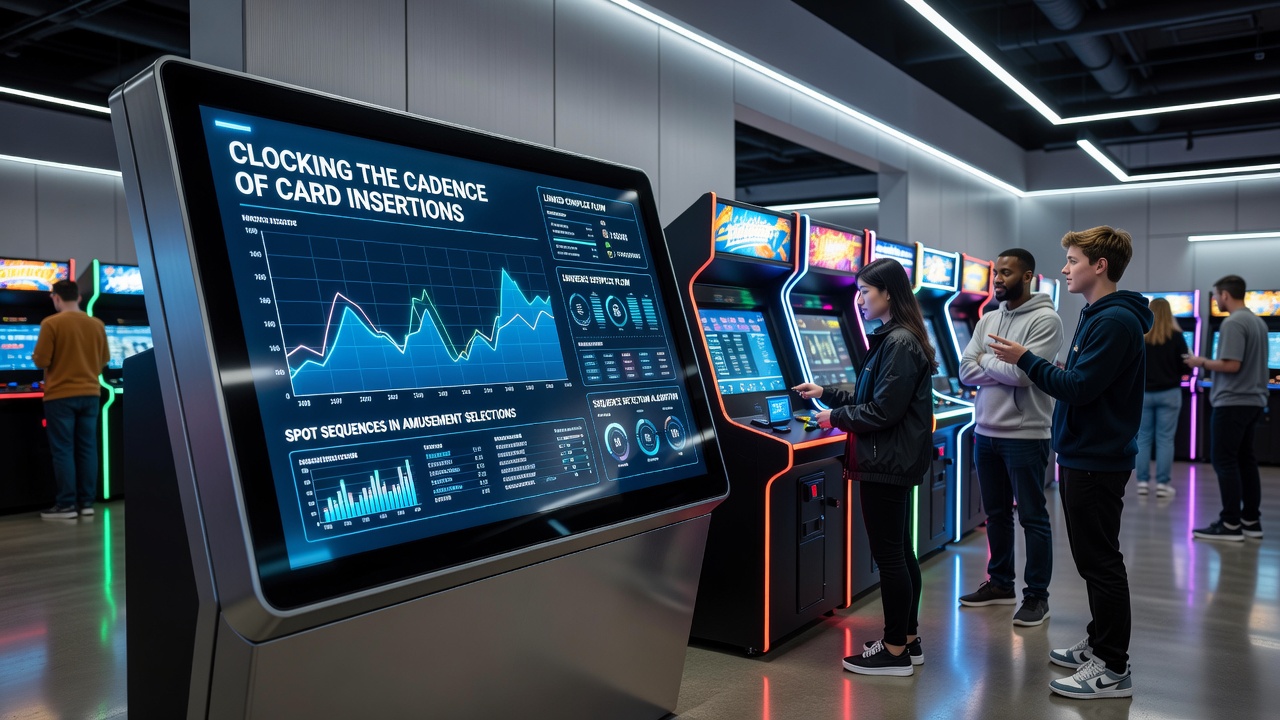
Clocking the Cadence of Card Insertions to Spot Sequences in Amusement Selections Inside Linked Entertainment Complexes
Operators in linked entertainment complexes track the timing and rhythm of loyalty card insertions into gaming devices to map sequences in player amusement selections across multiple venues. Systems record each insertion event with millisecond precision, creating datasets that reveal how individuals move between slot machines, table games, and other attractions within a network. This approach relies on timestamped data from player tracking platforms that connect properties in different locations, allowing analysts to identify recurring patterns without relying on manual observation.
Mechanics of Cadence Tracking
Each card insertion triggers a digital log that captures the exact moment a player engages with a machine, the game type selected, and the duration before the next insertion occurs. When properties link their systems, these logs merge into unified profiles that show transitions between sites. For instance, a player might insert a card at a video poker terminal in one location, then repeat the action at a reel slot in another property within a set interval. Software algorithms process these timestamps to flag sequences such as repeated switches from high-volatility to low-volatility games or consistent movement toward progressive jackpot machines after specific time gaps.
Data aggregation occurs through central servers that receive feeds from individual gaming floors, and operators apply filters to isolate insertion cadences that correlate with particular selection patterns. In October 2026, several multi-state operators reported expanded use of these merged datasets following regulatory updates that clarified data-sharing protocols across jurisdictions. The process avoids direct surveillance of individuals and instead focuses on aggregated behavioral markers that emerge from collective insertion records.
Integration Across Linked Venues
Linked entertainment complexes often span multiple properties under shared ownership or partnership agreements, which enables seamless data flow between locations. Card insertion records from one site feed directly into analytics engines that compare them against records from distant venues, revealing cross-property sequences such as players who favor certain game categories after traveling between facilities. This connectivity supports identification of timing-based patterns, including clusters of insertions that occur at similar intervals across different machine banks.
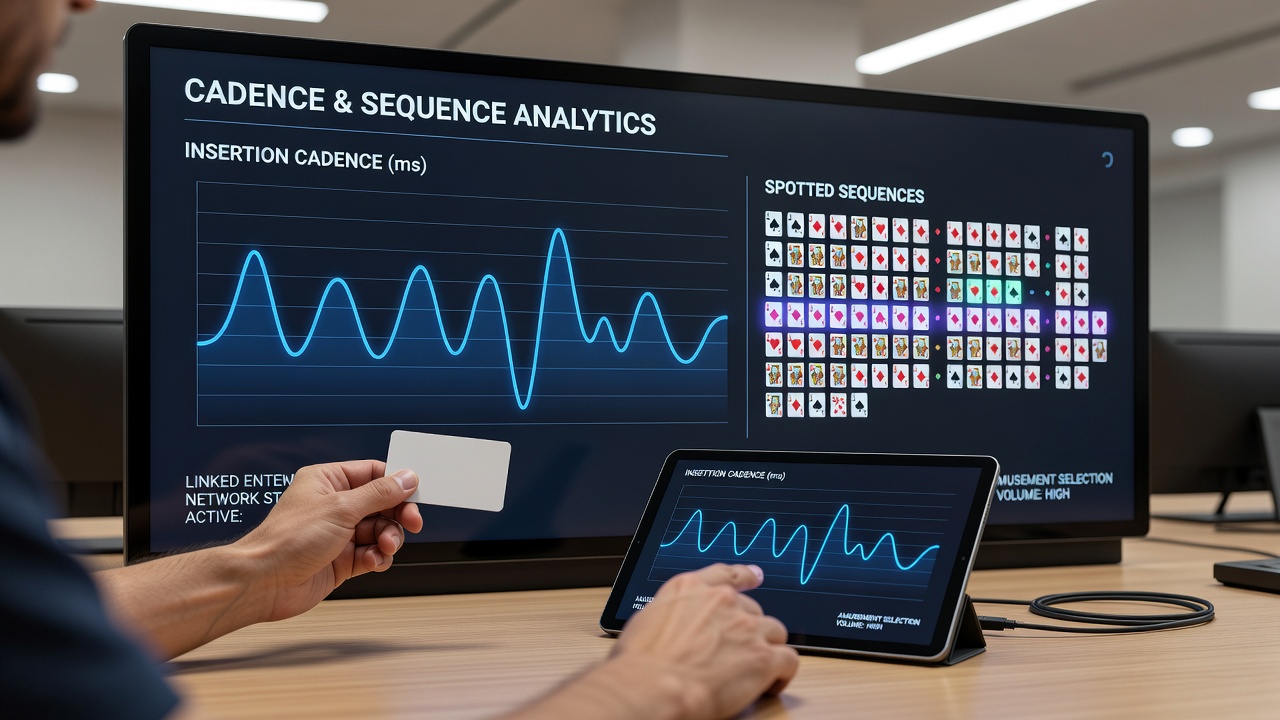
Technicians maintain the underlying hardware that timestamps each insertion through readers embedded in machine cabinets, while backend teams validate data integrity by cross-referencing against session logs. When sequences appear across venues, the system flags them for review by marketing or operations staff who may adjust floor layouts or promotional timing based on observed movement trends. According to reports from the Nevada Gaming Control Board, such integrated tracking contributes to more precise allocation of floor space in networked properties.
Analytical Applications and Data Patterns
Analysts examine insertion cadences to detect sequences that repeat across player segments, such as groups that alternate between video slots and electronic table games within narrow time windows. These patterns inform decisions about machine placement and game mix adjustments in linked complexes. Research from the University of Nevada, Reno gaming management program has documented how timestamp correlations help forecast peak transition periods between different amusement categories.
Operators also use the data to segment players by insertion rhythm rather than total play volume alone, which highlights individuals who exhibit deliberate pacing across multiple selections. In practice, this means distinguishing between rapid successive insertions at similar machines versus slower, deliberate shifts to new game types in separate locations. The resulting profiles feed into loyalty program algorithms that time offers to align with detected sequence points.
Regulatory Context and Implementation
Gaming regulators require operators to maintain audit trails for all player tracking data, including card insertion timestamps, to ensure compliance with privacy and reporting standards. In linked complexes, additional layers of oversight apply when data crosses state lines. The Australian Communications and Media Authority has issued guidelines on cross-venue data handling that several international operators reference when expanding networked systems.
Implementation typically begins with pilot programs at single sites before scaling to full network integration, allowing teams to refine cadence detection thresholds. Figures from industry trade groups indicate that by late 2026, adoption rates for timestamp-based sequence analysis had increased in properties operating under multi-jurisdictional licenses.
Conclusion
Clocking card insertion cadences provides linked entertainment complexes with structured datasets that map sequences in amusement selections across connected venues. The method combines precise timestamp recording with cross-property data sharing to surface behavioral patterns that guide operational adjustments. As networks continue to expand, these tracking capabilities remain anchored in regulatory compliance frameworks and technical infrastructure that support consistent data flow between sites.